Osteopathy
What is osteopathy?
Osteopathy is a way of detecting and treating damaged parts of the body such as muscles, ligaments, nerves and joints. When the body is balanced and efficient it will function with the minimum of wear and tear, leaving more energy for living.
Structural Osteopathy
The neuro-musculo-skeletal system is the largest system in the body, constructed of muscles, bones, tendons, ligaments, cartilage and neurological parts that co-ordinate the whole system. This system is what enables us to express our thoughts and emotions. The cardiovascular, digestive, circulatory and neurological systems enable optimal function and coordination for the movement and operation of the neuro-musculo-skeletal system. Correct mechanical functioning of this system is therefore essential.
Osteopathy ensures harmony and balance to minimise wear and tear on this system. It is particularly concerned with the relation between structure and function. Osteopaths use a wide variety of approaches to treatment and can bring relief or improvement to many conditions affecting, for example, the elderly, children, sportsmen and women; and to problems that arise during or after pregnancy.
What do osteopaths treat?
Osteopathy is effective for a wide range of conditions including:
- Lower and upper back pain
- Sciatica
- Sports injuries
- Trapped nerves
- Frozen shoulder
- Tennis/Golfers elbow
- Neck pain
- Whiplash
- Headaches
- Occupational strain
- Joint pain/dysfunction – wrists, hips, knees ankles etc
- Arthritis
- Postural problems
- Problems arising in or after pregnancy.
What does the treatment aim to do?
- Restore homeostasis and equilibrium
- Restore muscle and joint function
- Improve and maintain flexibility
- Reduce muscle spasm
- Maintain nerve supply
- Improve circulation.
What should I expect from my visit to an osteopath?
Osteopaths consider each person as an individual. On your first visit, the osteopath will spend time taking a detailed medical history including important information about your lifestyle and diet. You will normally be asked to undress to your underwear (or shorts and vest top if you prefer) and perform a series of simple movements. This will allow a full diagnosis and treatment plan tailored to your needs.
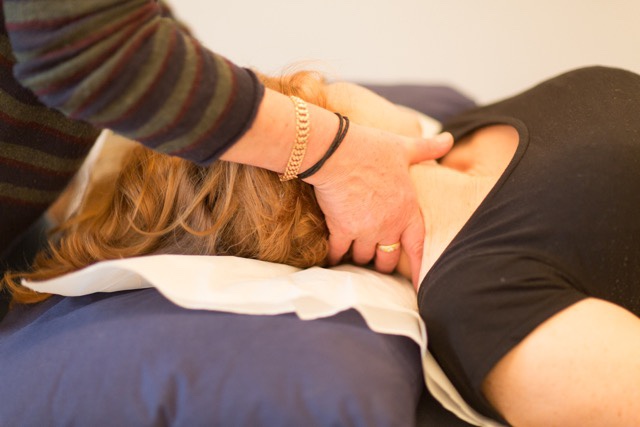
With their hands osteopaths identify abnormalities within the human structure and function. They then facilitate the body's ability to heal itself through a variety of stretching, mobilizing and manipulative techniques. With added exercises and health advice, osteopaths help to reduce the symptoms and improve your health and quality of life. Your osteopath should make you feel at ease and communicate what s/he is doing. Do ask questions at any time during your consultation if you are unsure.